Heat Pump vs. Furnace: Which Is the Best Choice for Florida’s Mild Winters?
Florida residents face a unique challenge when selecting climate control equipment because the winters are generally mild but still feature sudden cold snaps. CAMS A/c -N- Plumbing guides property owners through the mechanical differences between forced air furnaces and modern heat transfer technology. Relying on an oversized combustion heater wastes massive amounts of fuel and creates uncomfortable temperature swings inside the house. Choosing the right machinery ensures your indoor climate remains perfectly stable without causing your utility bills to skyrocket.
A poorly maintained combustion unit poses severe safety risks that go far beyond basic energy inefficiency. Evaluating the physical condition of your current ductwork and air handler dictates when Heating System Replacement makes the most logical sense. Navigating these mechanical details protects your property value and provides reliable warmth for your family. Making a proactive upgrade removes the stress of dealing with broken heaters during the coldest nights of the year.
A closer look at your options
- Thermal Transfer: How heat pumps function
- Combustion Safety: Identifying dangerous cracks
- Operational Costs: Managing your utility bills
- Climate Control Questions
Thermal Transfer And Heat Pumps
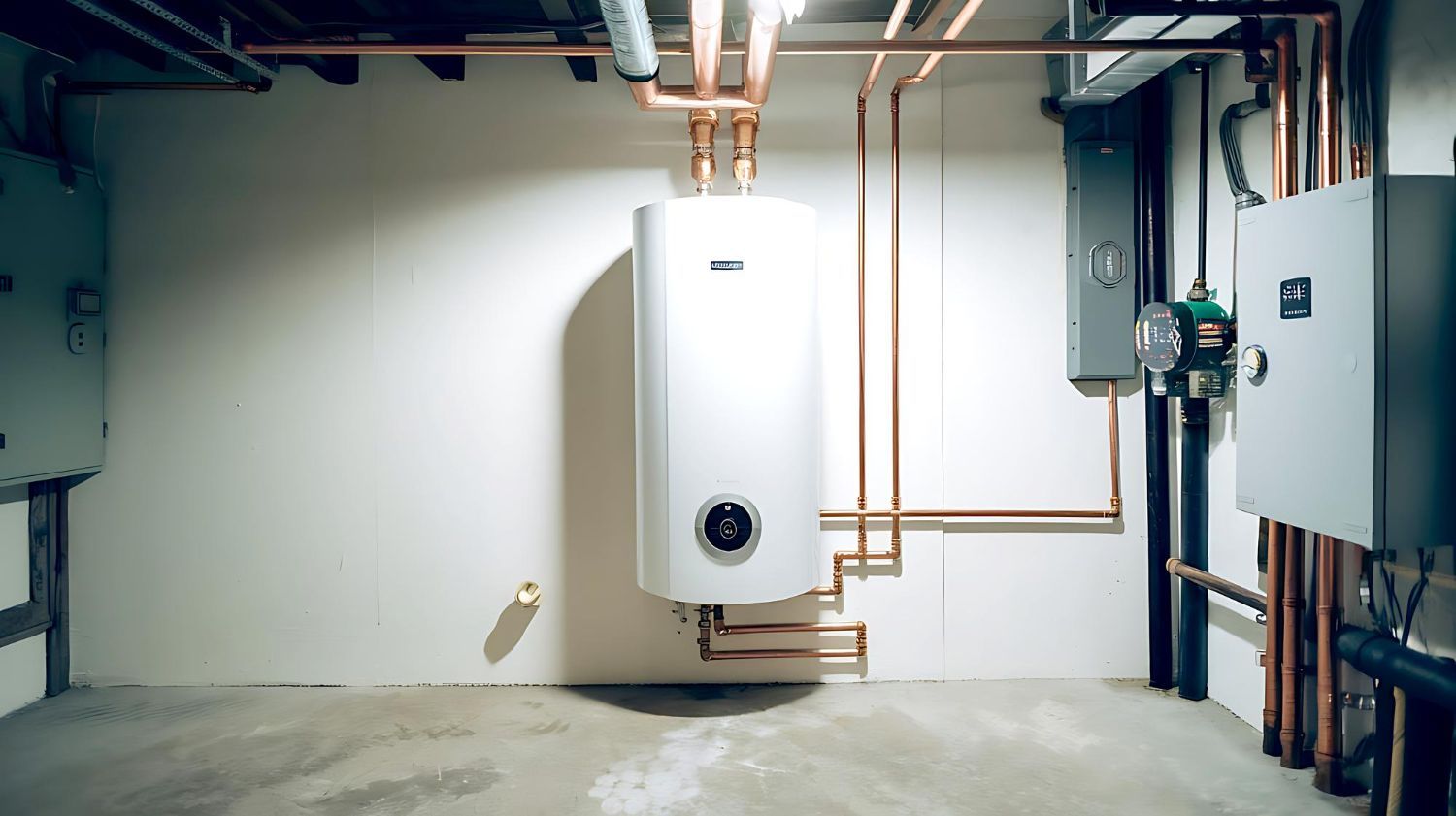
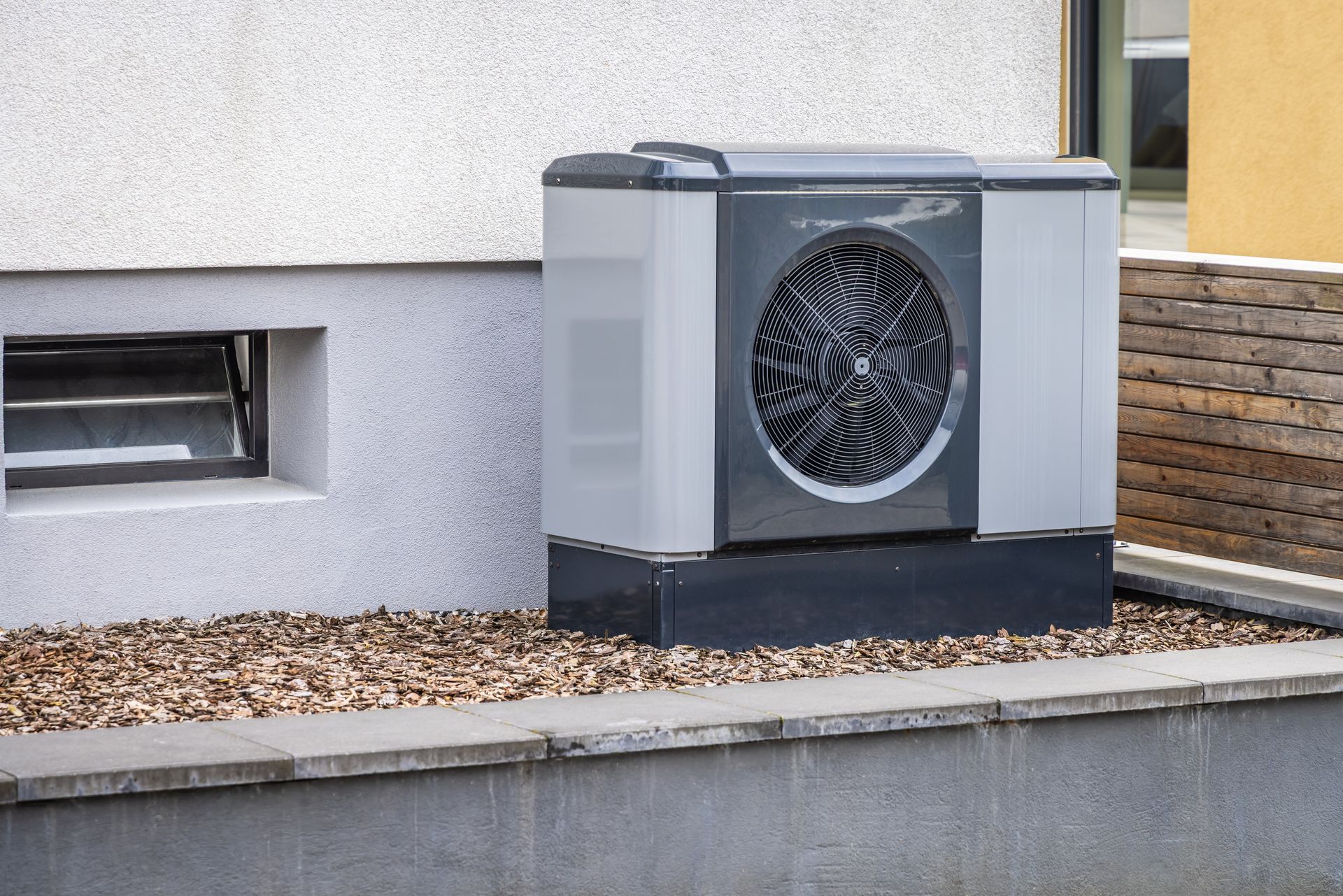
A heat pump operates completely differently than a traditional gas or electric furnace. Instead of burning fuel to create raw heat these systems extract ambient thermal energy from the outside air and transfer it directly into your home. Even during a chilly January evening in Winter Haven the outdoor air contains enough thermal energy to warm your living room efficiently. Because they move heat rather than generate it these units consume significantly less electricity than standard heating coils. This dual purpose technology also reverses operation in the summer to provide incredibly efficient air conditioning for your property.
Combustion Safety And Heating System Replacement
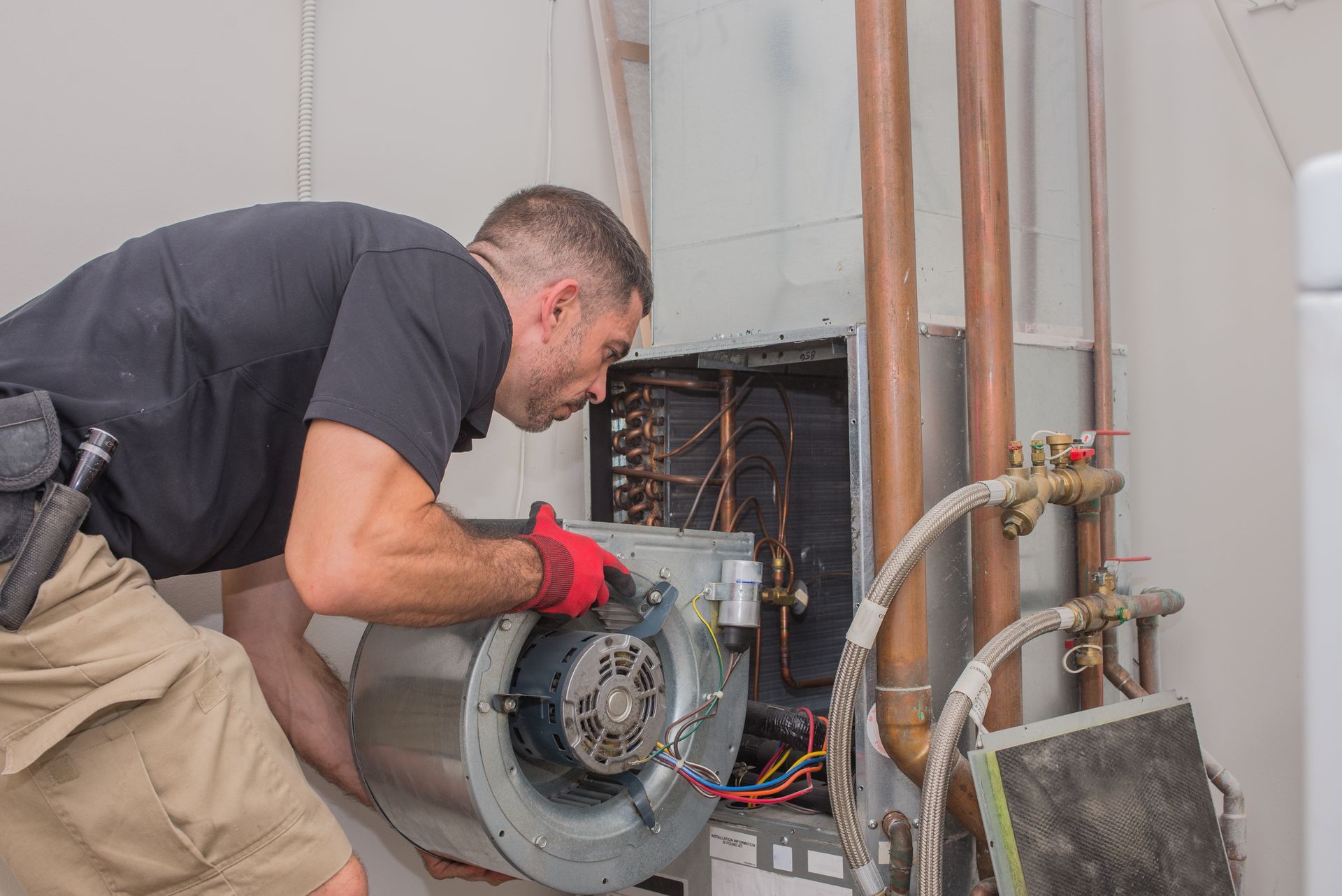
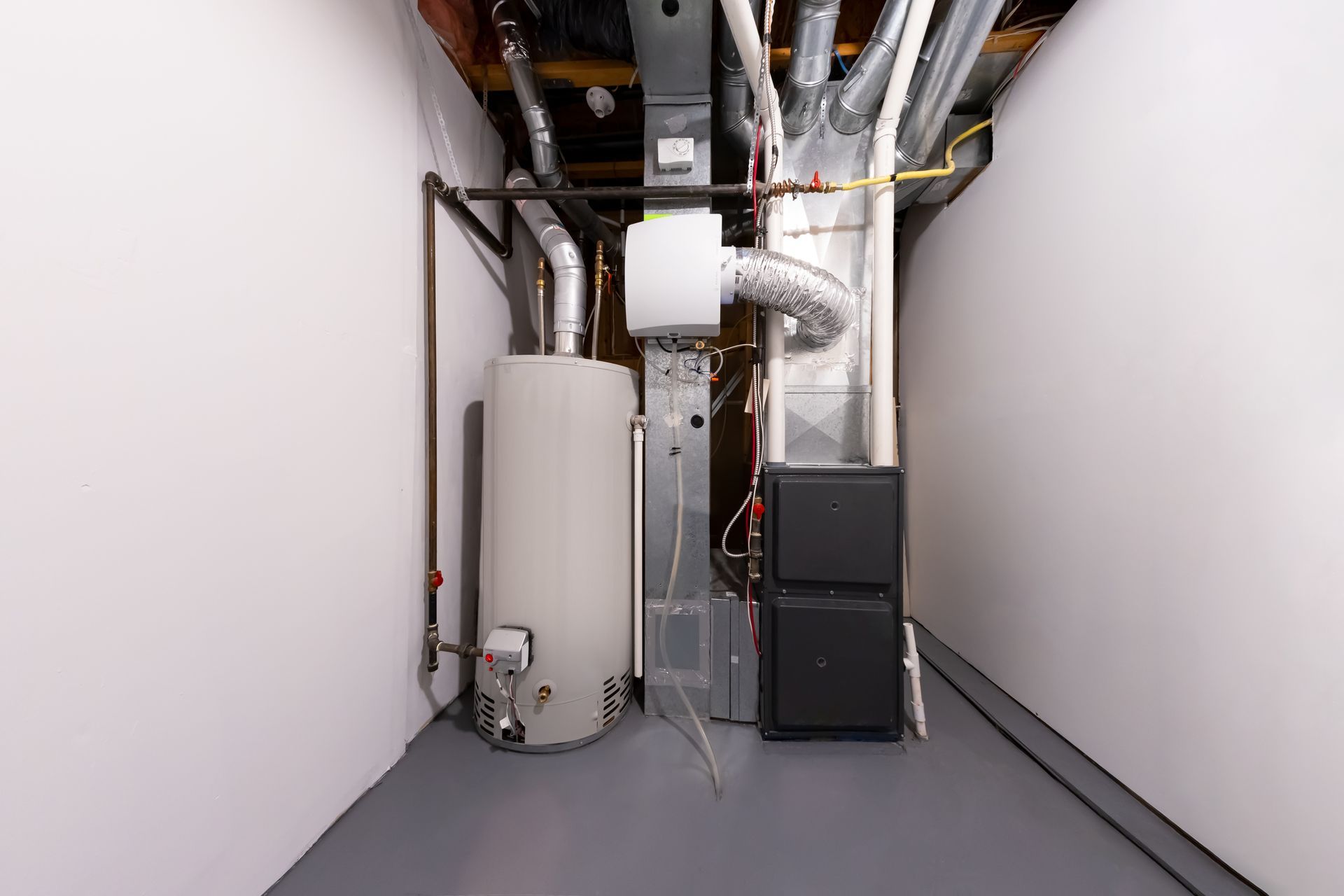
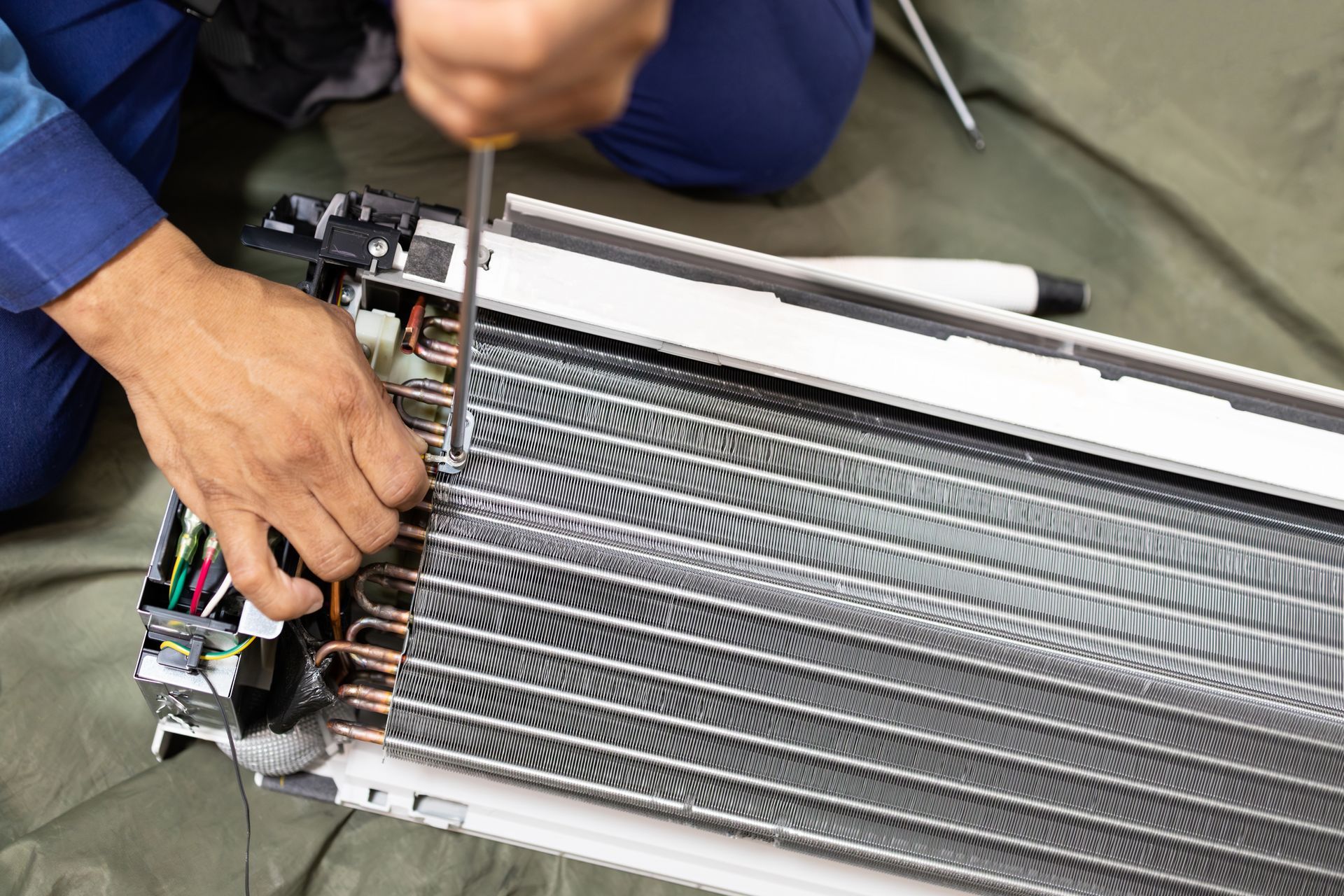
Traditional gas furnaces burn fuel inside a sealed heat exchanger to warm the air circulating through your ductwork. Homeowners constantly ask how do I know if my furnace heat exchanger is cracked. The warning signs include a yellow burner flame unusual rattling noises and a strong smell of exhaust fumes near the air handler. A cracked exchanger allows lethal carbon monoxide gas to mix with your breathing air creating a massive health hazard for your family. If our diagnostic technicians discover structural damage inside the combustion chamber we immediately recommend Heating System Replacement to ensure your family remains safe.
Operational Costs And Long Term Value
Investing in new climate control equipment requires balancing the initial installation cost against the long term operational savings. While a gas furnace might carry a lower upfront price tag the cost of natural gas and the required safety maintenance add up quickly over the years. Heat pumps offer a much higher return on investment for Florida residents because they consolidate both heating and cooling into a single high efficiency unit. We pair these installations with Building Automations technology so you can monitor your energy consumption perfectly from your smartphone. Controlling your equipment precisely eliminates wasted energy and keeps your monthly expenses highly predictable.
Proactive system selection prevents recurring mechanical failures and keeps your indoor climate perfectly balanced.
Frequently Asked Questions
Do heat pumps work effectively below freezing?
Modern heat pump technology includes supplemental electric heating strips that automatically engage to provide warmth when the outdoor temperature drops to freezing.
How long does a new heating installation take?
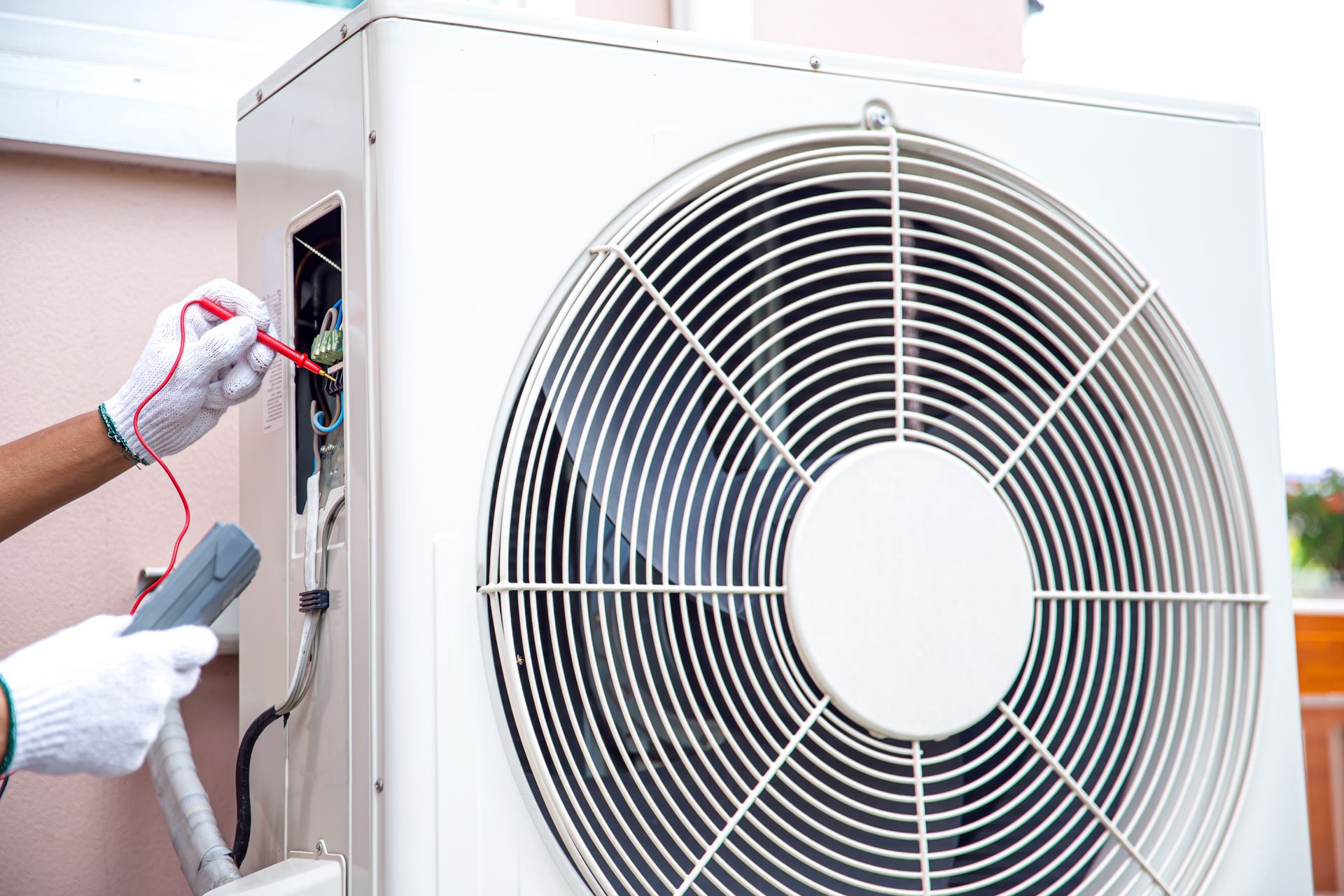
Removing the old air handler and installing a new high efficiency system typically takes a single day of focused technical work.
Finalizing Your Winter Heating Strategy
Selecting the appropriate thermal technology keeps your home safe from carbon monoxide and significantly lowers your energy consumption. Trust certified technicians to evaluate your property and execute a flawless installation. Contact our dispatch team today to discuss your winter heating options.
Share This Blog