Why Fall is the Critical Time to Check Your AC Air Handler for Mildew
The heavy humidity of a Florida summer takes a massive hidden toll on your home indoor air quality systems. As we move into October the cooling demand starts to taper off slightly but the moisture trapped inside your ductwork remains a major threat. At CAMS A/c -N- Plumbing we find that this specific transitional period is the absolute worst time for mildew growth inside dark HVAC components. Taking action now protects your family from breathing in airborne spores during the months ahead.
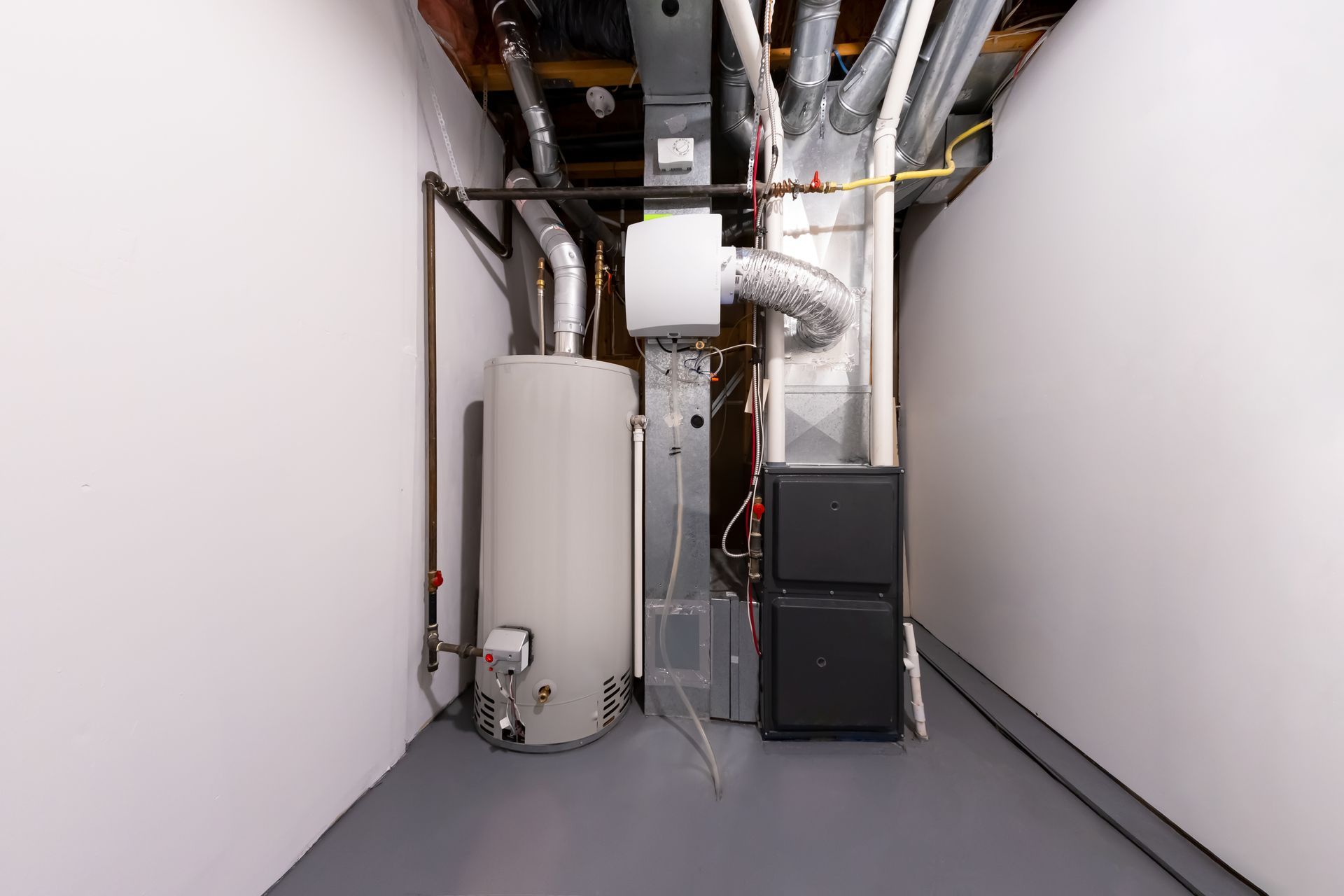
Your indoor air handler is constantly rinsing moisture out of the air and sending it down a narrow drain line. When that condensation mixes with normal household dust it creates a prime breeding ground for organic growth right on the internal blower assemblies. Booking a professional Air Handler Installation or a deep system cleaning prevents these hidden deposits from spreading throughout your entire property. This breakdown outlines the sequential stages required to audit your system and secure your indoor air quality before the winter season arrives.
What We Cover:
- Stage 1: Assess Your Air Quality and Moisture Levels
- Stage 2: Schedule Professional Inspection and Coil Cleaning
- Stage 3: Protect Your System with High Grade Filtration
- Frequently Asked Questions
Stage 1: Assess Your Air Quality and Moisture Levels
Identifying a hidden problem inside your cooling system requires paying close attention to small changes in your living space. Organic growth thrives in high moisture areas and leaves clear physical signs that you can spot before major damage occurs.
• Odor Detection: Notice if a damp musty scent fills the room whenever the blower fan kicks into high gear.
• Visual Checks: Inspect the plastic supply registers on your ceilings for any dark spotting or unusual wetness.
• Drain Pan Audits: Look closely at the metal overflow pan underneath your indoor unit to ensure water is draining away completely without pooling.
Stage 2: Schedule Professional Inspection and Coil Cleaning
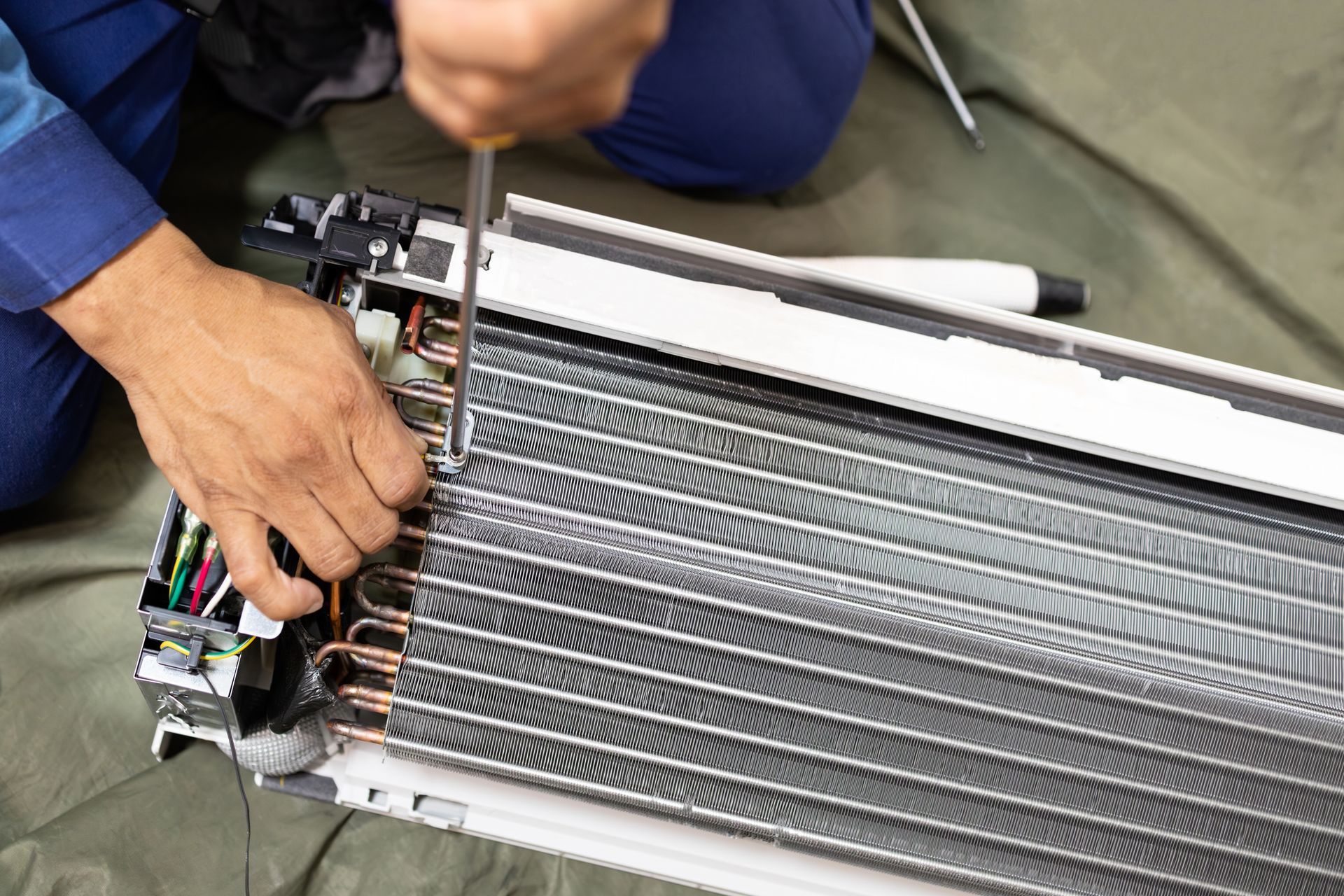
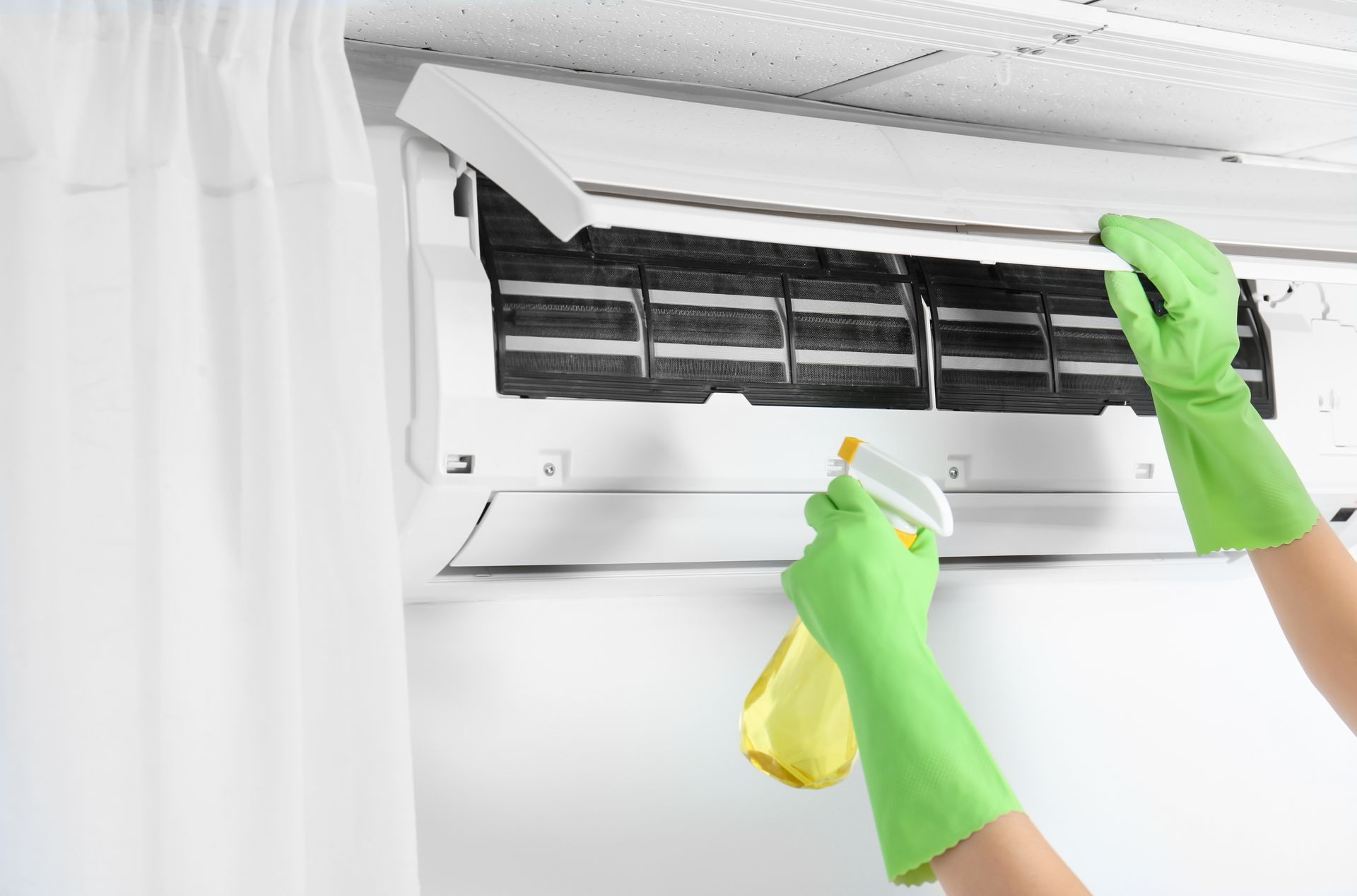
Clearing away deep internal contamination requires trade tools and specialized cleaning solutions that do not damage the fragile aluminum fins inside the system. Professional technicians can safely dismantle the blower housing to reach the hidden spots where mildew takes hold.
• Blower Teardowns: Technicians must pull the main fan wheel to scrape away the thick grime that builds up on the curved blades.
• Chemical Flushes: Using self rinsing coil cleaners dissolves the sticky binder holding dust and spores to the metal surfaces.
• Line Clearances: Blasting the primary condensate drain with high pressure clearing tools removes the thick slime plugs that cause water backups.
Ensuring your home air stays perfectly clean is an absolute priority for local families dealing with seasonal allergies. This is something clients notice firsthand when working with a dedicated local crew.
► Client Experience: Cam's service was AMAZING and fast! Definitely recommend and would use his services again!
Acting quickly when you spot an airflow problem keeps your system running cleanly and efficiently all year long.
► Failing to clean a contaminated blower wheel reduces your total system airflow by up to thirty percent and causes severe compressor strain.
Stage 3: Protect Your System with High Grade Filtration
Once the internal components are completely clean you need to establish a strong line of defense to prevent dust from settling back onto the wet surfaces. Upgrading your filtration methods is the most effective way to keep your system clean between regular service visits.
• Media Upgrades: Swap out your basic filters for a deep four inch media cabinet that catches microscopic spores before they enter the unit.
• UV Installation: Consider adding a specialized germicidal light strip directly above the cooling coil to neutralize organic growth continuously.
• Humidity Management: Keep your indoor relative humidity below fifty five percent to stop spores from finding a place to grow.
Frequently Asked Questions
How do I know if my air handler has mold?
The absolute most reliable indicator is a strong earthy odor that mimics the scent of damp soil whenever air moves through the vents. You might also spot fine black or green powdery deposits clinging to the insulation lining the interior walls of the cabinet. If you see water actively dripping from the bottom of the air handler chassis it usually means a slime blockage has completely filled the primary drain pan.
Can a dirty air handler make you sick?
A heavily contaminated indoor cooling unit acts like a distribution hub that pumps airborne allergens through every single room in your home. Family members with pre existing respiratory conditions or severe asthma will often experience increased coughing and congestion when the system is running. Over time the accumulation of dust and moisture can also breed bacteria that directly degrades the overall healthfulness of your indoor breathing environment.
How much does it cost to replace an air handler in Florida?
The total investment for a brand new indoor unit depends heavily on the specific tonnage and the efficiency rating of your matching exterior condenser. A standard single speed replacement is much more affordable than a variable speed unit that communicates directly with an advanced zoning system. You must always ensure that the indoor coil matches the exact refrigerant type and structural capacity of your outdoor equipment to avoid premature system failure.
Guarding Your Indoor Air
Taking control of your indoor air quality prevents small moisture problems from turning into a major environmental issue for your household. A clean system runs more efficiently and ensures your family breathes easy through every change in the local weather. Reach out to our team to schedule a detailed air handler inspection and get your home equipment running cleanly today.
Share This Blog